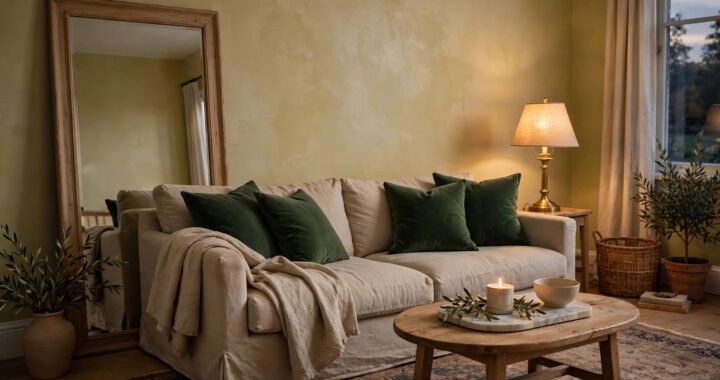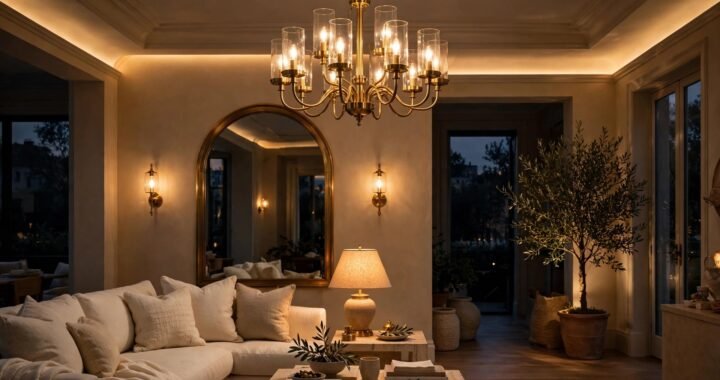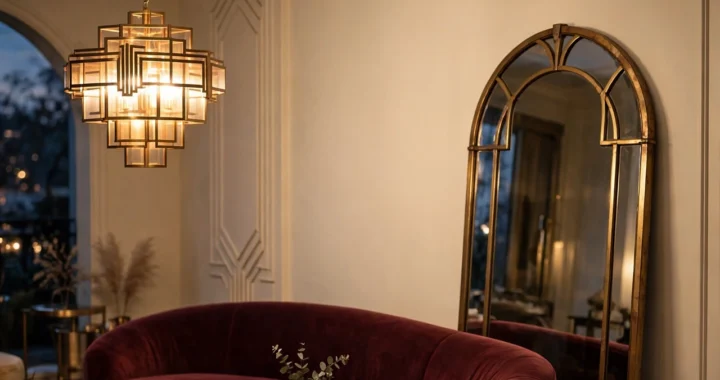
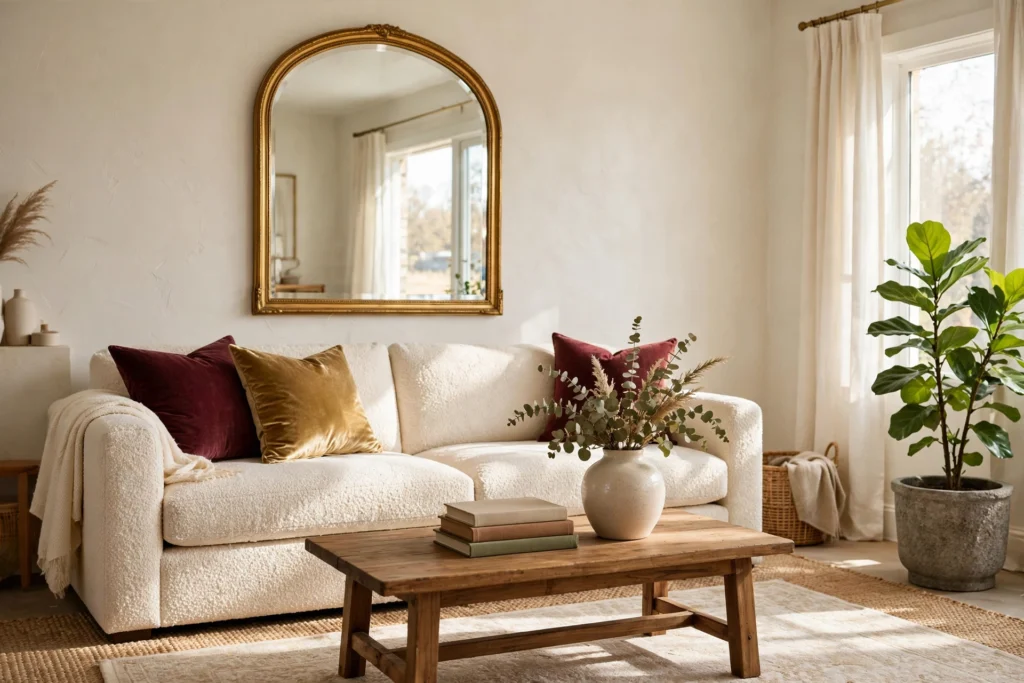
Here is a secret most designers will happily confirm: the difference between an ordinary living room and a luxurious one is rarely the sofa. It is the layers around it — light, scale, texture, the things on the walls — and those layers are genuinely cheap: most upgrades here cost under $100, none crosses $200.
That matters, because the living room is where your home performs — so this guide stays specific: exact prices, sizes that work, where to shop, and the mistakes that make budget pieces look budget. Spending $200 in the right places changes how the whole house feels.
A quick promise before we start: nothing here is a flimsy trick. These are the same moves used in the rooms in our guide to luxury living room ideas — just executed with thrift-store patience, smart sizes, and discount-store timing instead of designer invoices.
Plan Your $200: Read This Before You Buy Anything
Budget decorating fails when the money gets scattered — $20 here, $15 there, ten small objects that add up to clutter. It succeeds when the money gets concentrated. Use these three rules and your $200 will behave like $600.
Rule one: buy one hero, not ten trinkets. Pick a single anchor upgrade — a mirror, a rug, or proper curtains — and give it $100–$180 of your budget. One large, confident piece reads as luxury; ten small accessories read as a clearance shelf.
Rule two: fix the light before the furniture. If your room still runs on a single cold-white ceiling bulb, no object you buy will look expensive in it. Warm light (2700K, always) is the cheapest luxury in existence — a full set of bulbs is under $20 — so do upgrade number two first, whatever else you choose.
Rule three: shop in the right order. Thrift stores and online marketplaces first for anything made of real material — brass, wood, marble, glass — because those pieces were expensive once and age beautifully. Discount home stores second, for textiles and curtains. Full-price retail last, and only during sales, for the one hero piece you want in perfect condition.
10 Designer Upgrades, All Under $200
1. One Oversized Mirror ($80–$180)
If you buy only one thing, buy a mirror that is slightly too big — a small mirror is a bathroom object; an oversized mirror is architecture. It doubles your light and makes the room feel planned. For above a sofa or console, aim for a mirror 36–48 inches wide — at least two-thirds the width of the furniture beneath it. A tall arched floor mirror, 28–32 inches wide and 65–72 inches tall, leaned in a corner, delivers the current designer look for the least money.
Expect to pay $80–$180 at discount home stores for a large framed mirror with a thin brass, black, or natural-wood frame. Marketplace finds go lower — $40–$90 — if you check the glass for dark spots at the edges.
Where to buy: discount home and furniture outlets for new; marketplace and estate sales for vintage, where the frames are often solid wood instead of plastic.
Practical tip: Hang it opposite or beside a window, never facing a blank wall or the television. What a mirror reflects is what it adds to the room. For placement ideas by room and shape, see our 12 luxury mirror ideas.
2. Warm Layered Lighting ($30–$120)
Cold white light is the single biggest reason budget rooms look budget. Designers layer three kinds of light — ceiling, task, and glow — and you can copy that structure for under $120. Start by replacing every bulb in the room with 2700K warm-white, dimmable LEDs: a four-pack costs $10–$18. Add a dimmer ($15–$30) if you can, then add one second light source at seated eye level, around 55–60 inches high: a thrifted brass table lamp ($25–$50, plus a new linen shade for $12–$20) or a slim floor lamp from a discount store ($45–$90).
Where to buy: bulbs and dimmers from any hardware store; lamps from thrift stores, where solid brass lamps from the 1980s sell for a fraction of their weight in new metal.
Practical tip: Never mix colour temperatures in one room. One leftover 5000K bulb will undo the whole upgrade, so replace them all in one go and keep a spare warm bulb in a drawer.
3. Velvet Cushion Covers ($25–$60)
Your sofa is probably fine; its flat, matching cushions are the problem. Swapping the covers is the highest-impact textile move there is — and use inserts one size larger than the cover for that full, designer-chop look (about $8 each). Buy four velvet cushion covers in 20×20 inches (covers only, $25–$60 for a set at online and discount home stores) in one deep colour — burgundy, emerald, navy, or chocolate — and pair them with two 22×22-inch covers in a textured neutral like bouclé or washed linen.
Where to buy: online marketplaces and discount home stores for covers; buy covers, never whole cushions — you are paying for the fabric, not the filling.
Practical tip: Odd rule of colour: repeat your cushion colour twice more in the room — a throw, a vase, a book spine — and the colour suddenly looks chosen rather than random.
4. One Large Piece of Wall Art ($40–$120)
Small art is the most common living-room mistake I see — clusters of little frames read as indecision, while one large piece reads as confidence. You do not need original art; you need scale. Target a finished size of at least 36×48 inches, or 40×60 inches above a full-size sofa: roughly two-thirds the sofa’s width. The affordable route is a downloadable print or a public-domain classical artwork printed locally ($25–$60 for a large poster print at a print shop) inside a thrifted or discount-store frame with a wide mount/mat ($20–$50). The mat is the magic — a generous white border is what makes a $30 print look gallery-issued.
Where to buy: print shops for the printing; thrift stores for large frames (buy the frame, discard the faded motel art inside it).
Practical tip: Hang the centre of the art at 57–60 inches from the floor, and no more than 6–8 inches above the sofa back. Art floating near the ceiling is the tell of an amateur hang.
5. Curtains Hung High and Wide ($50–$130)
Nothing lifts a ceiling like panels that start near it and end at the floor — and this upgrade is mostly labour, which is why it is so cheap for its effect. Remount your curtain rod 4–6 inches below the ceiling and extend it 8–12 inches beyond the window on each side, so the open curtains cover wall, not glass. Dress it with linen-look panels in warm white, oat, or soft greige, hemmed to just kiss the floor (floating above the floor always looks like a measuring error): a pair of 54×96-inch or 54×108-inch panels costs $50–$130 at discount home stores depending on length.
Where to buy: discount home stores and big online retailers during sales; longer lengths sell out first, so buy the longest you might need and hem with iron-on tape ($5) instead of paying for alterations.
Practical tip: Two panels per side, not one. Curtains should look full even when closed — total panel width should be roughly twice the rod width, or the fabric hangs in sad, thin strings.
6. A Bigger Rug, or a Layered Rug ($90–$199)
Most living rooms are sitting on a rug that is a full size too small, and undersized rugs are invisible price tags — they make every other piece look cheaper. The rule: the front legs of the sofa and chairs sit on the rug, and the rug extends at least 6–8 inches beyond the sofa on each side. For most rooms that means an 8×10-foot rug minimum, not a 5×7. A flatweave or low-pile vintage-style 8×10 from a discount rug outlet runs $130–$199. Short on budget? Layer a large jute rug (8×10, $90–$140) with a smaller patterned rug ($30–$60) angled over it.
Where to buy: online rug outlets and warehouse sales — rugs are heavy, so watch for free-shipping promotions, which often matter more than the discount percentage.
Practical tip: Order the rug pad too ($25–$40). A pad stops slipping, adds the soft underfoot cushion that makes a thin budget rug feel plush, and doubles the rug’s life.
7. A Styled Coffee Table: Tray, Books, One Brass Object ($30–$80)
Start with a tray — wood, marble-look, or woven — 16–20 inches long ($15–$30 at discount stores), which groups everything and makes the arrangement look deliberate. Add a stack of two or three large hardcover books (art, travel, architecture or gardens — $5–$10 each second-hand, spines out). Finish with one small metallic object — a brass bowl, candle holder, or magnifying glass ($10–$25). Total: $30–$80, and your table now photographs like a magazine spread.
Where to buy: thrift and charity shops are gold mines here — heavy trays, real brass, and coffee-table books all end up there at pocket prices.
Practical tip: Add one green element — even a $6 stem in a glass vase — and leave at least half the table empty. Luxury is partly empty space; a tray arrangement plus room for a cup and a remote is the finished look, not a starting point.
8. One Painted or Limewashed Feature Wall ($40–$95)
Paint is the best cost-per-impact material in decorating, full stop. One wall — behind the sofa or the fireplace wall — in a deep, warm colour changes the room’s whole temperature for the price of a takeaway dinner. A gallon of good paint ($40–$70) covers roughly 350–400 square feet, so a single wall usually needs only a gallon with some left for touch-ups. For a softer finish, try limewash in warm taupe, clay, or olive — the same warm, tonal thinking behind our warm modern bedroom ideas. Add a roller kit and tape ($15–$25) and you are still under $95.
Where to buy: any paint or hardware store; always buy the tester pot first ($5–$8) and paint a two-foot square — colours read darker and stronger across a whole wall.
Practical tip: Paint the skirting board and any trim on that wall the same colour as the wall itself. This “colour-drenched” detail costs nothing extra and is one of the strongest designer signals going right now.
9. Rescue the Sofa: Throw, Slipcover, or New Legs ($35–$185)
If the sofa itself is tired, replacing it is not the only option — dressing it is. Three routes, all under $200 — including the insider trick: swapping the sofa’s legs for turned-wood or brass-finish ones ($25–$45), which raises a dated sofa and changes its whole silhouette. Route one, the two-minute fix: a heavy, textured throw ($25–$50) in a contrasting weave, folded longways over one arm and seat edge, plus the new cushions from upgrade three. Route two, the full rescue: a stretch slipcover in a neutral linen-look fabric ($60–$120 online) — measure your sofa’s width carefully, tuck the excess with the foam rods provided, and steam it once fitted.
Where to buy: throws and slipcovers online or at discount home stores; replacement legs from furniture-parts sellers — just match the thread size (most are M8 or 5/16-inch) before ordering.
Practical tip: Dark sofa looking faded rather than dirty? A fabric-safe dye or even a deep clean with a rented upholstery machine ($30–$45 a day) can bring back the original richness before you spend anything on covers.
10. Height and Life: A Tall Plant in a Heavy Pot ($40–$150)
Every styled living room you have ever saved has something tall and green in the corner — height draws the eye up and softens all the hard rectangles of screens and sofas. A good faux olive tree or faux fig, 5–6 feet tall, costs $70–$150 online — choose one with a realistic, uneven trunk and matte leaves, never glossy plastic. Real-plant people can do better for less: a tall dracaena or monstera from a garden centre runs $30–$60. Either way, the pot matters as much as the plant: a heavy terracotta, stone-look, or woven basket pot, 14–16 inches across ($20–$45), raised on a small stand if needed.
Where to buy: faux trees online (read the photo reviews, not the studio shots); real plants at garden centres in late summer, when the big sizes get discounted.
Practical tip: Put the plant where it gets seen against light — beside a window or in the corner a lamp points toward. A $40 plant, well placed and well lit, outperforms a $150 plant dying in a dark corner every time.
Common Mistakes That Make Budget Decor Look Cheap
Buying everything in one matching set. Matching sets read as a showroom clearance tag; luxury rooms are collected, not bundled. Mix wood tones slightly, repeat metals deliberately, and let nothing match perfectly except on purpose.
Choosing small versions of everything. A small mirror, small art, small rug, small lamp — each saves a little money and costs you the entire effect. On a budget, fewer and bigger always beats more and smaller. If forced to choose, finish one wall completely rather than sprinkling the same money around all four.
Ignoring the light temperature. One more time, because it undoes more budget makeovers than anything else: cold 4000–5000K bulbs make warm fabrics look grey and skin look tired. Every bulb in the room at 2700K, on a dimmer if possible, or the rest of the upgrades are working uphill.
Skipping the boring finishes (which cost nothing to fix — steaming, hemming tape, fifteen minutes with a tape measure). Curtains hung an inch too short, art hung an inch too high, a rug with no pad sliding around, a slipcover left wrinkled.
Frequently Asked Questions
What is the single best living room upgrade under $200?
The oversized mirror, if your room is dark or small, because it adds light and visual space that no other object can. If your room is already bright, proper warm layered lighting wins instead.
How can I make my living room look expensive for under $100 total?
Combine upgrades two, three, and seven: warm bulbs everywhere ($15), a set of velvet cushion covers ($40), and a thrifted tray with two second-hand books and a brass candle holder ($35–$45). Light, texture, and styling — the three things guests actually notice — for under $100.
What colours make a living room look luxurious on a budget?
Warm, deep, and muted beats bright and shiny every time: burgundy, emerald, navy, chocolate brown, and olive against warm white, cream, and natural wood. The trick is commitment — pick one deep colour, repeat it three times in the room, and keep everything else quiet.
Should I buy a cheap rug or save longer for a better one?
Buy the large, inexpensive flatweave now and put a proper pad under it — size first, quality second; the flatweave can move to a bedroom when you upgrade.
Do these upgrades work in a rented living room?
Every single one. Nothing requires drilling except the mirror and curtain rod — use ledges and command-hook solutions if your lease is strict, and swap paint for a large canvas if walls are off-limits. Hero pieces move with you; that is the beauty of spending on objects, not renovations.
Conclusion
A luxurious living room is not a receipt; it is a series of decisions — bigger instead of smaller, warmer instead of colder, edited instead of crowded. With $200, the right sizing, and a Saturday of patience, you can make all ten of those decisions in one room: an oversized mirror catching the light, warm lamps glowing at eye level, velvet and texture on the sofa, one serious piece of art, curtains at the ceiling, and a tall green corner finishing the picture. Start with the hero, fix the light, and stop when the room looks calm rather than full — that calm is what luxury actually is, and it turns out to be very affordable.
— Hamza, Luxury House Ideas